

Contractor Bidding Tips: Bid for Speed Without Losing Margin
Every flooring contractor in Minnesota knows the feeling.
It’s May. Residential construction is in...
By: Elissa Merritt April 17, 2026
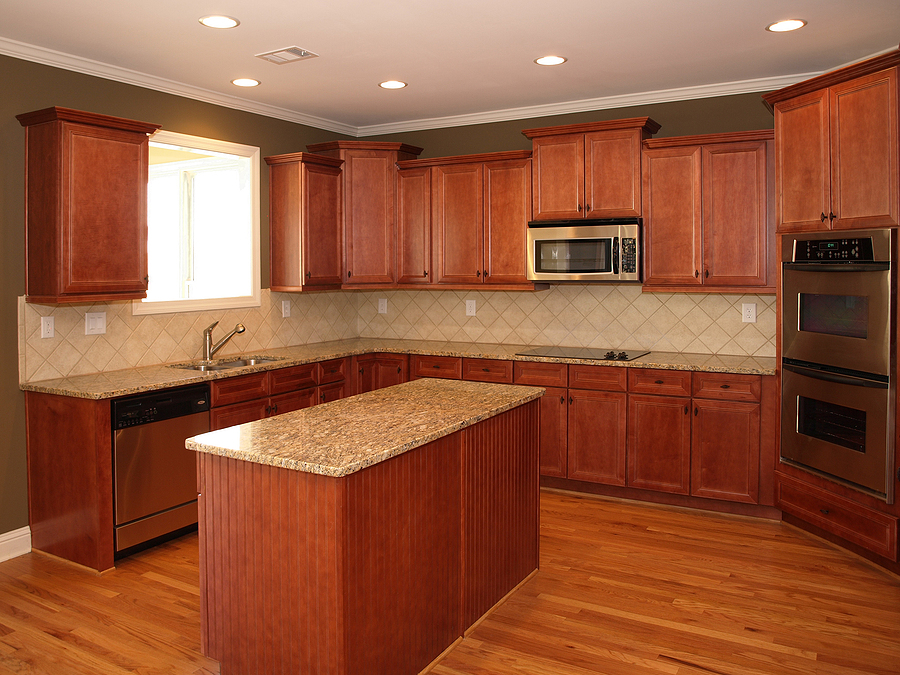
Once the floor is installed, the next step is choosing the flooring finish. This decision plays a major role in how well the floor holds up over time.
Most finishes fall into two categories: oil-based or water-based. Each has tradeoffs, from appearance and dry time to durability and maintenance, so the right choice depends on how the space will be used.
Rushing this step can lead to more than subpar workmanship. It can result in a finish that doesn’t meet the demands of the space. Before making any decisions, ask yourself:
When these factors aren’t addressed early, issues often show up later. Callbacks, complaints, and dissatisfaction usually come from a mismatch between expectations and real-world performance.
The goal is to finish strong, with long-term performance in mind.
Oil-based finishes are the traditional workhorse of hardwood flooring; they soak into the wood, build a thick protective layer, and add that unmistakable warm, amber tone that deepens over time. If a client says they want a floor that feels “classic” or “rich,” this is usually what they mean.
However, that depth comes with tradeoffs.
Oil takes its time. You’re looking at 8–24 hours between coats, several days before light use, and up to a month for a full cure. It also brings higher VOCs (Volatile Organic Compounds) and stronger odor, which means ventilation (and even relocation) absolutely has to be part of the conversation.
Where oil really earns its keep is durability. Its thicker, harder film has long been known to hold up exceptionally well under wear, especially in busy areas.
Oil-based finishes are a commitment, but when the job calls for longevity and character, they still deliver in a way that’s hard to replicate.
Water-based finishes are becoming the go-to choice for many modern builds. Instead of soaking in and warming the wood, this type of flooring finish sits more on the surface and dries clear. What you see after sanding and staining is essentially what you get; there’s no amber shift or gradual warming over time.
The speed difference is significant. You can recoat in 2–4 hours, allow light foot traffic in about a day, and complete projects much faster overall.
Of course, efficiency comes at a cost … literally. The main drawback of a water-based flooring finish is the higher upfront price. Materials are more expensive, and because additional coats are often needed for durability, labor costs increase as well.
⚠️ Don’t lose sight of your total job costs! Materials, labor, and everything in between can make or break a bid. Learn more here: Contractor Bidding Tips: Bid for Speed Without Losing Margin
The fast curing time also makes application a bit more challenging than with oil-based finishes. It can be difficult to apply without leaving streaks or lap marks, so a highly skilled professional is essential.
Water-based finishes require more precision and a higher upfront investment, but for projects that prioritize speed, livability, and a cool, modern look, they’re often the most practical choice.
As an added bonus for installers — cleanup is easier, since water is much simpler to remove from tools than oil.
Some jobs don’t fit neatly into “fast” or “traditional.” That’s where hybrid solutions come into play. Rather than relying on a single product, this approach combines specific sealers and finishes to create a balanced flooring finish.
One such solution calls for Bona AmberSeal (to create a rich, warm base), followed by Bona Traffic HD as the actual finish (which cures quickly). Together, they deliver the look and resilience of oil with the speed and low VOCs of a water-based finish — making them a strong option when both aesthetic and efficiency are priorities.
Hybrid solutions are designed to split the difference: a bit of warmth, a bit of speed, and manageable VOC levels.
What’s important here is setting expectations. Hybrid solutions don’t outperform either category. They balance them.
The biggest mistakes don’t come from choosing the “wrong” finish. They come from choosing the right finish with the wrong expectations.
At Metro Flooring Supply, we see it all the time.
But with a full range of professional-grade finishes (coupled with a team that’s been helping contractors stay on track for over 45 years), we can help you choose the right flooring finish for your job.
So if you’re weighing options, looking for a custom hybrid solution, or just want another set of eyes on your plan …
Bring a sample → leave with the right finish today.
Every flooring contractor in Minnesota knows the feeling.
It’s May. Residential construction is in...